2 Ways to Get Quicker Hands With a Basketball
Nobody is born with a handle. Two things build one, and most players skip the second because it makes them look bad in practice.

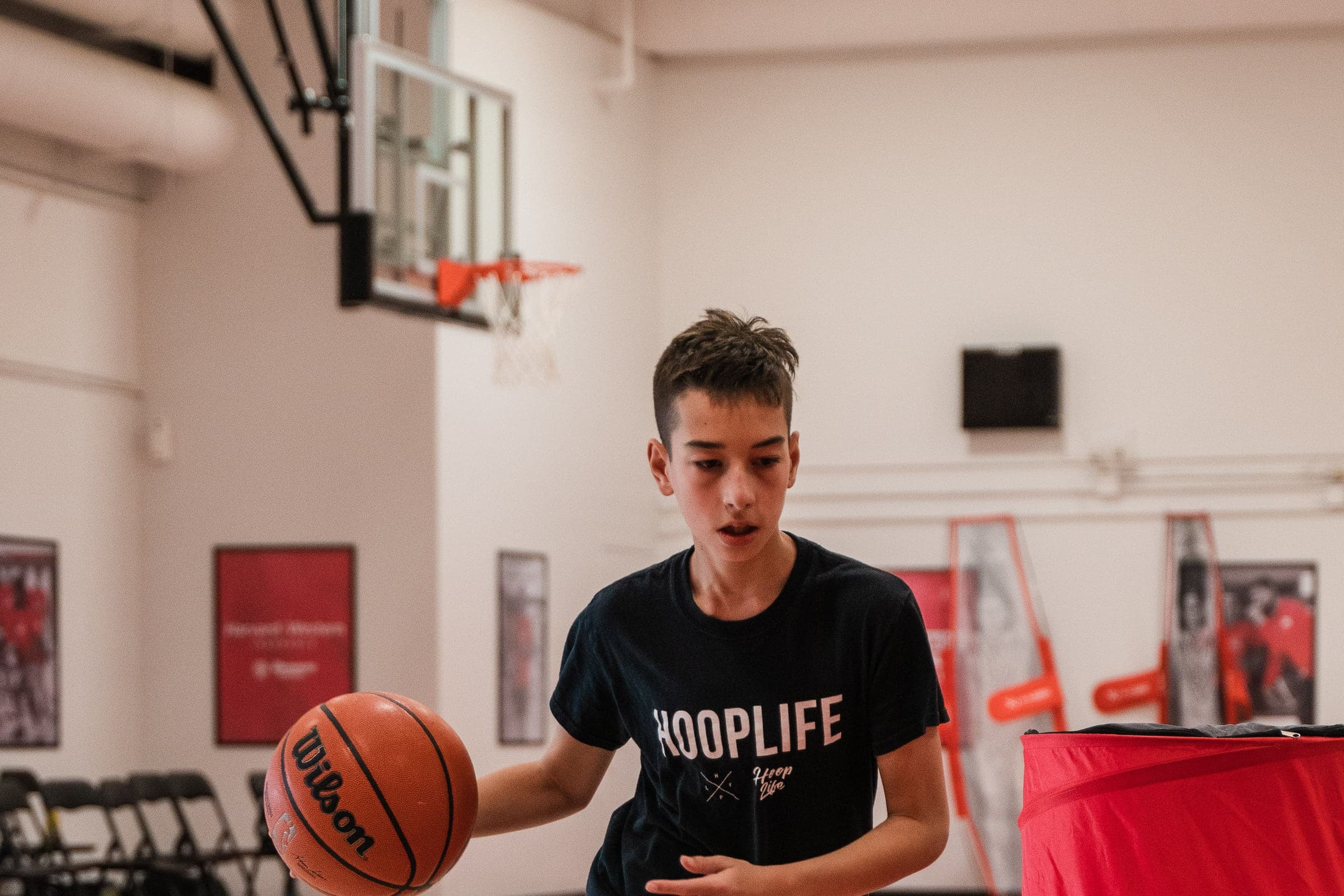
- Dribble hard. Power builds the muscle memory that speed sits on top of.
- Train at game speed, and accept losing the ball while you do it.
- Losing the ball in practice is the point. Losing it in a game is the cost of never having.
- Live play is where speed becomes usable.
Watch any highlight reel and it is easy to assume the crossover was a gift. It was not. Quick hands are one of the most trainable things in basketball, and they come from two habits that are simple to describe and uncomfortable to do.
1. Dribble hard
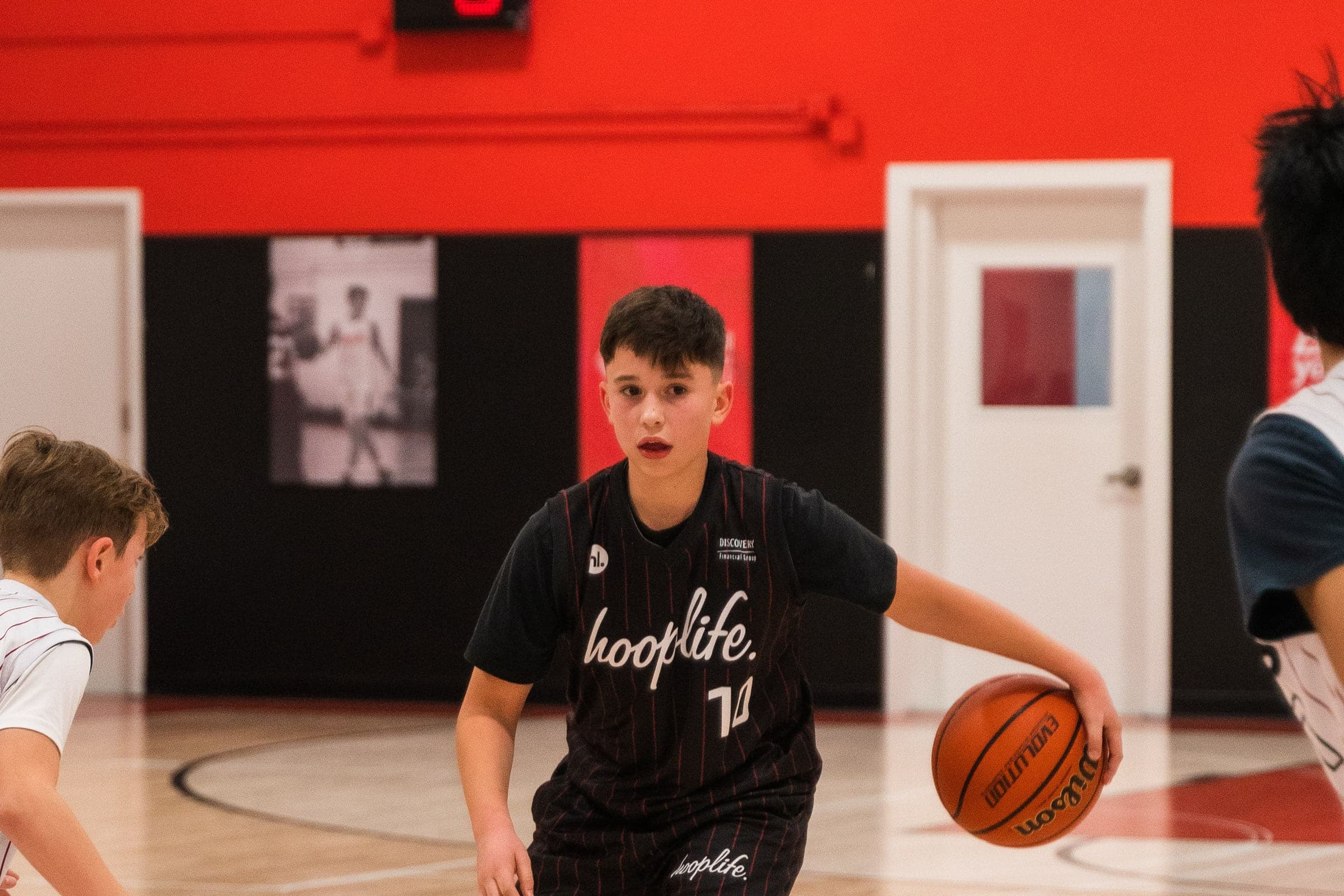
The most common mistake in a young player's practice is dribbling softly. Soft dribbling is comfortable, it looks tidy, and it builds a handle that falls apart the first time somebody reaches in.
Pounding the ball does two things. The ball returns to your hand faster, so there is less time for it to be taken. And the repetition builds real muscle memory rather than a gentle imitation of the move.
A useful test: if your child can dribble while holding a conversation and never mis-hit the ball, they are not dribbling hard enough.
2. Train fast, and let the ball get away
Everybody wants a fast handle. Very few players are willing to practise at a speed where they look out of control, because it feels like failing.
It is the opposite. If a player never loses the ball in practice, they are practising inside their existing limit, which by definition cannot expand it. Losing it, picking it up, and going again is the drill.
The rule we use in the gym: practise at the speed you want to play at, not the speed you can currently control. Control catches up within weeks.
The part that only happens with other people
Both habits build a handle in a vacuum. What turns it into a usable one is somebody trying to take the ball away.
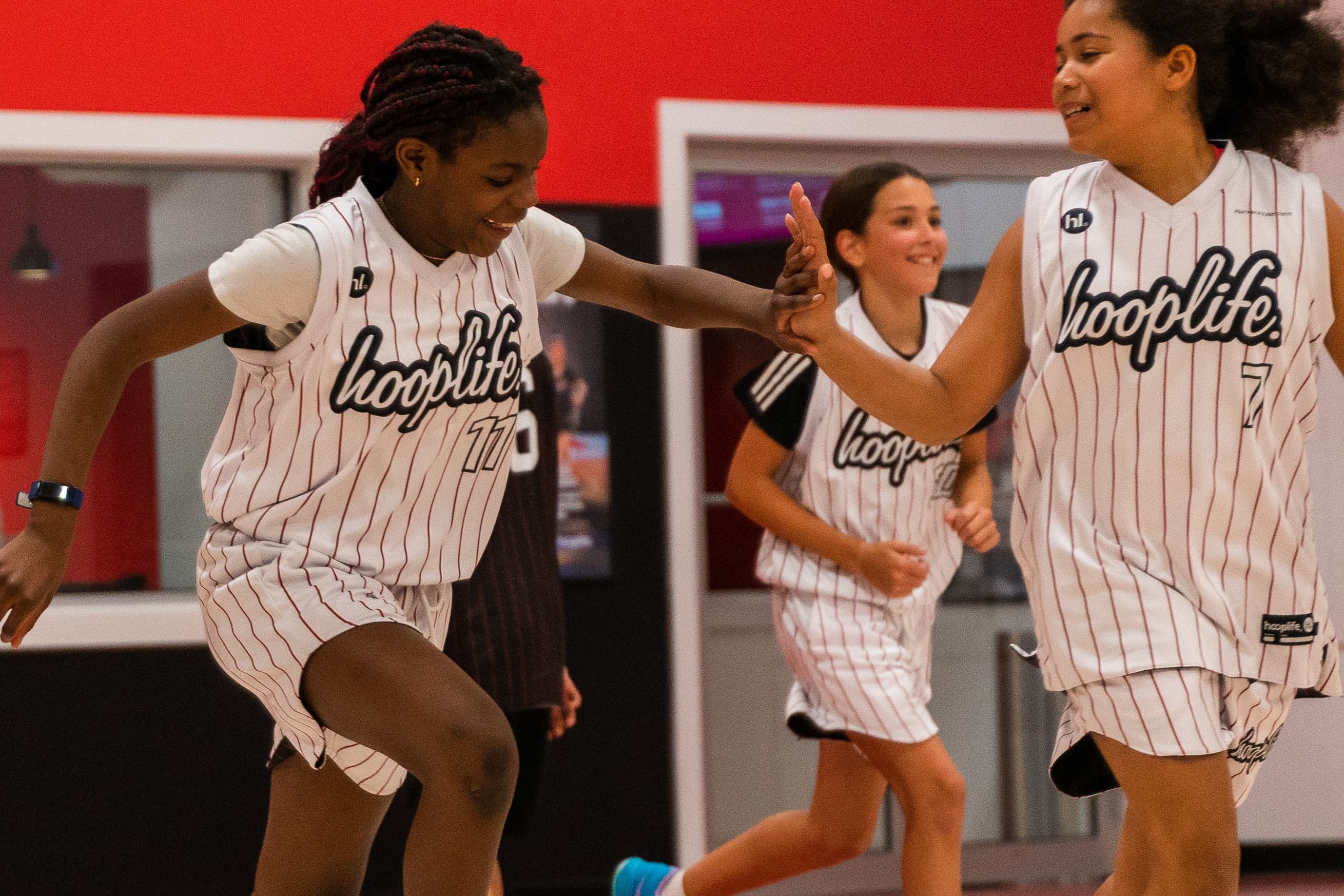
That is the argument for live reps every week. 3x3 sessions are close to pure live play, with three a side putting a player in every single possession. A league season adds officiated games where the pressure is real and a mistake actually costs something — which is exactly the environment a handle needs to be proven in.
A simple weekly plan
- Most days, 10 minutes at home: pound dribbles, crossovers, figure eights, two-ball work. Full list here.
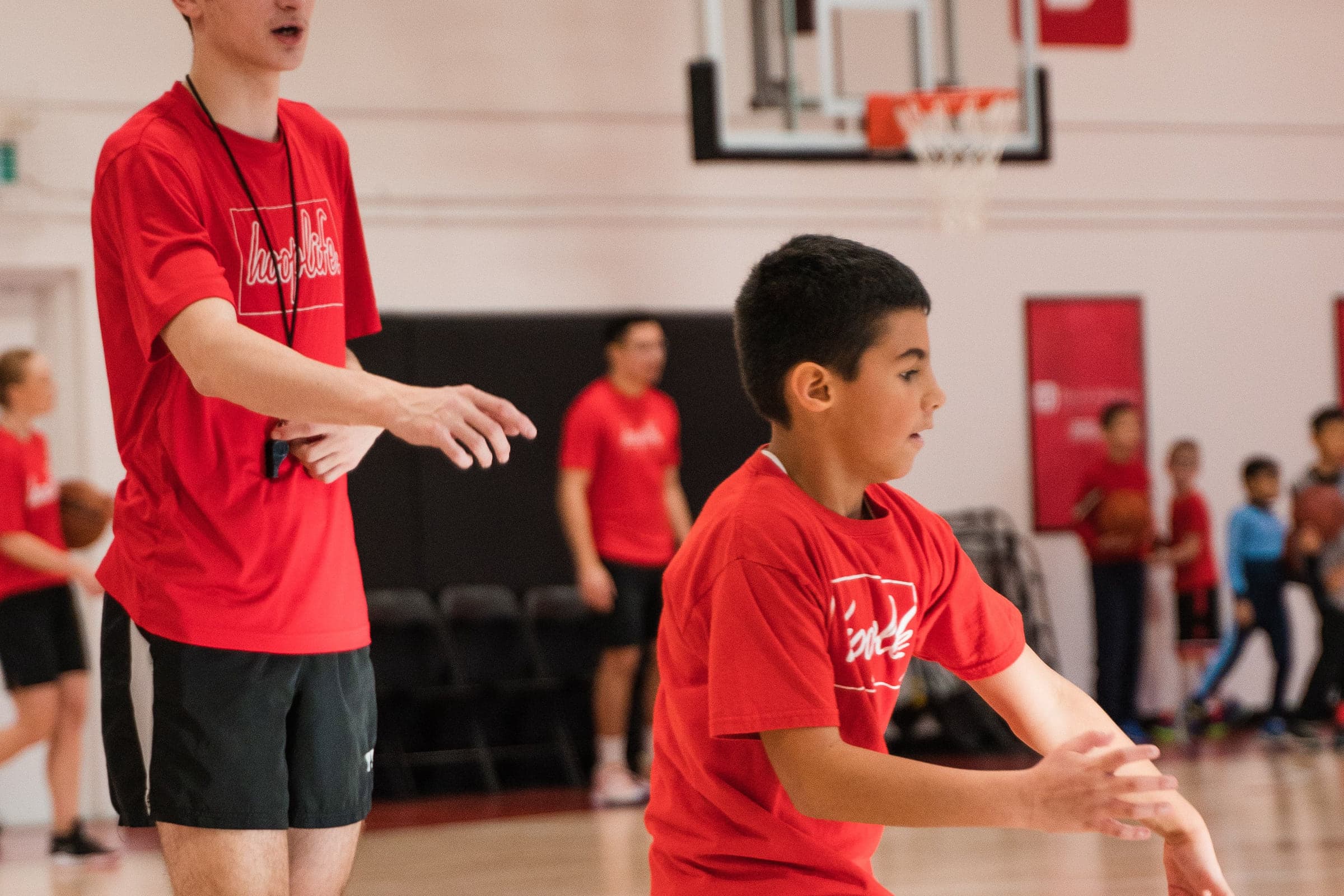
- Once a week, coached: a Skills Training session in a group of eight, where somebody can see the habit you cannot.
- Once a week, live: 3x3, a league day, or open gym at $10 a drop-in.
Do that for one Regina winter and the player who shows up in spring is not the same one.
The mistakes that cancel the work
Quick handles are one of the most-practised and worst-practised skills in basketball, and the difference is almost always one of three habits.
- Watching the ball. A handle you cannot use with your eyes up does not exist in a game. Every drill on this page is done looking at something across the room, from day one, even though it makes the first week worse.
- Practising tall. Dribbling at standing height feels comfortable and disappears the first time a defender gets low. The ball lives below the knee in every drill.
- Soft reps. Pounding the ball hard is the whole mechanism — the harder the dribble, the faster the ball is back in your hand, and that return speed IS the quickness. Gentle dribbling for twenty minutes trains nothing.
A ninety-second daily minimum
For the days there is no time: thirty seconds of hard pounds each hand, below the knee, eyes up, then thirty seconds of crossovers at full effort. Every day, including game days. Ninety seconds daily beats twenty minutes on Sundays, because hands respond to frequency more than any other skill. The HoopLife app has the full handle progressions on video, and the 20-minute workout builds this into a complete session.
Frequently asked questions
How long does it take to get quicker handles?
Noticeable change in four to six weeks of daily short practice, provided the dribbling is hard and at game speed. Soft practice can go on for years without changing much.
Is it bad to lose the ball while practising?
No, it is necessary. Practising only at speeds you can already control cannot expand what you control. Losing it in practice is how you stop losing it in games.
Where can my child get live reps in Regina?
3x3 sessions weekly, a league season for officiated games, or open gym for $10 a drop-in.
Want the details for your kid?
Leave your info and a real person from HoopLife will send the details and answer your questions. Spots are limited and they do go.