Comfortable Being Uncomfortable: Training for Pressure
Pressure does not care how good your practice looked. The players who thrive in it are the ones who deliberately made practice harder.

- Comfortable practice produces comfortable players, and games are not comfortable.
- Complacency is the most common reason a talented player stops improving.
- Rehearse pressure on purpose: tired legs, a score, consequences, an audience.
- Live play every week is the cheapest way to train for it.
Every player looks good alone in an empty gym. The question that matters is what happens when the lights are on, the score is close, and somebody in the crowd is watching who they want to impress.
That is a trainable skill, and almost nobody trains it.
Complacency is the real problem
"Hard work beats talent when talent does not work hard" gets repeated so often it has stopped meaning anything. The specific version is more useful: most talented players stall because their practice never gets harder.
They run the same drills, at the same speed, hitting the same shots they already hit. It feels productive. Nothing changes.
A quick self-check for any player: when was the last time practice was genuinely difficult? If the answer is "a while ago", that is the plateau explained.
Rehearse pressure on purpose
Pressure in a game comes from four things: fatigue, consequence, an audience and time. You can manufacture all four:
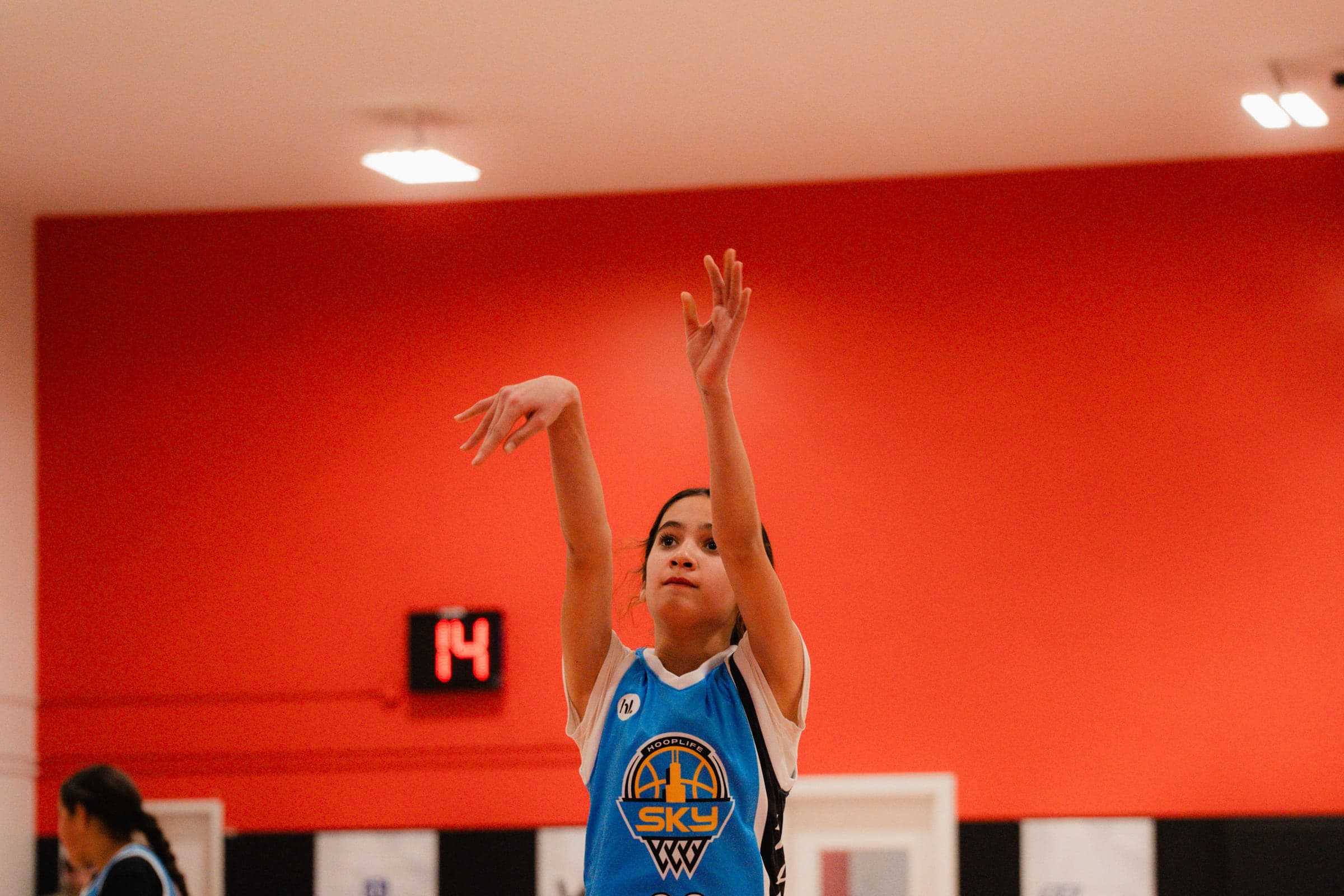
- Fatigue: shoot after sprints, not before. Free throws matter most on tired legs.
- Consequence: put something on it. Ten in a row or start again. Losers run.
- Audience: practise in front of someone. Even one person changes what a shot feels like.
- Time: put a clock on it. Five makes in sixty seconds, not five makes eventually.
Why live play does this automatically
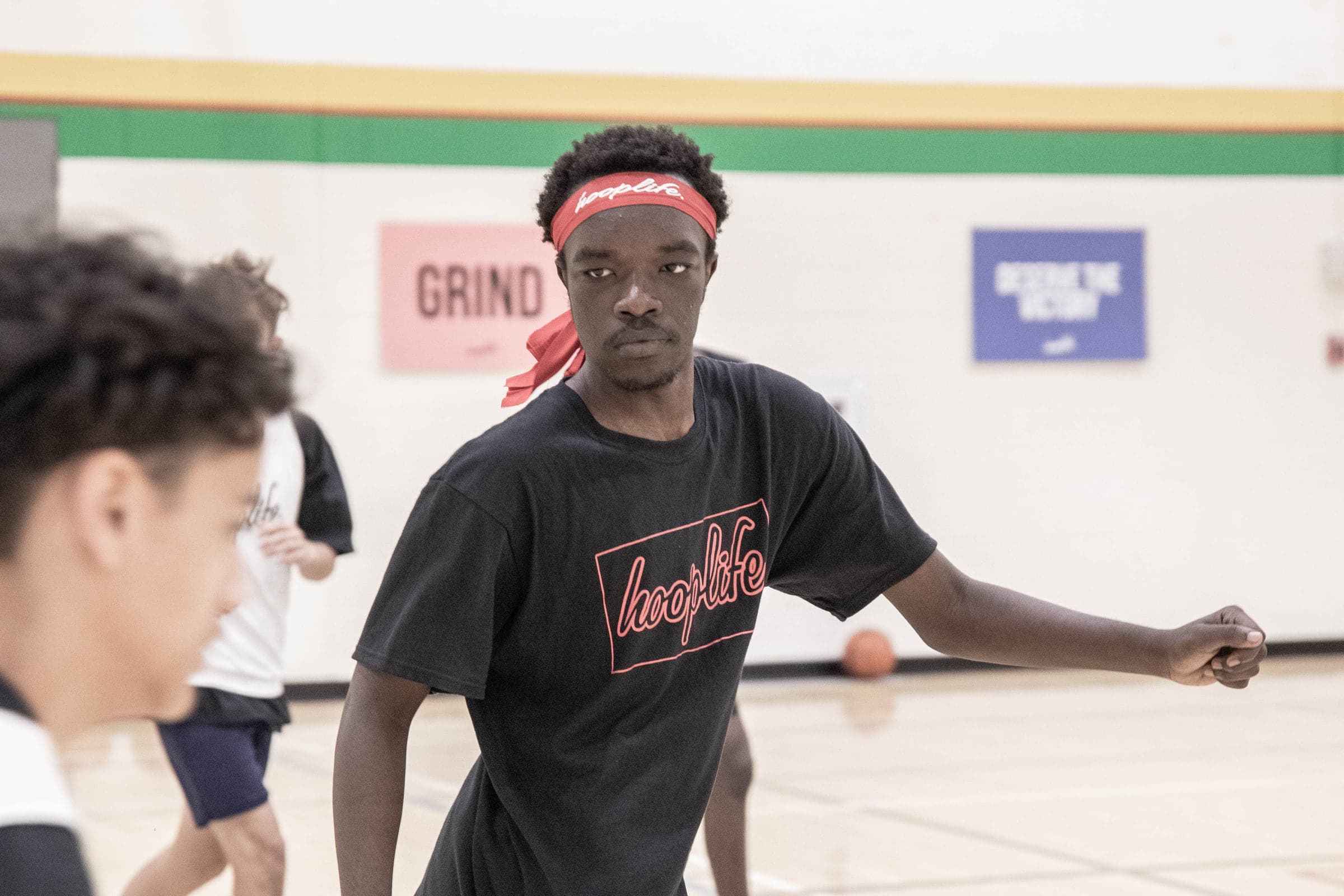
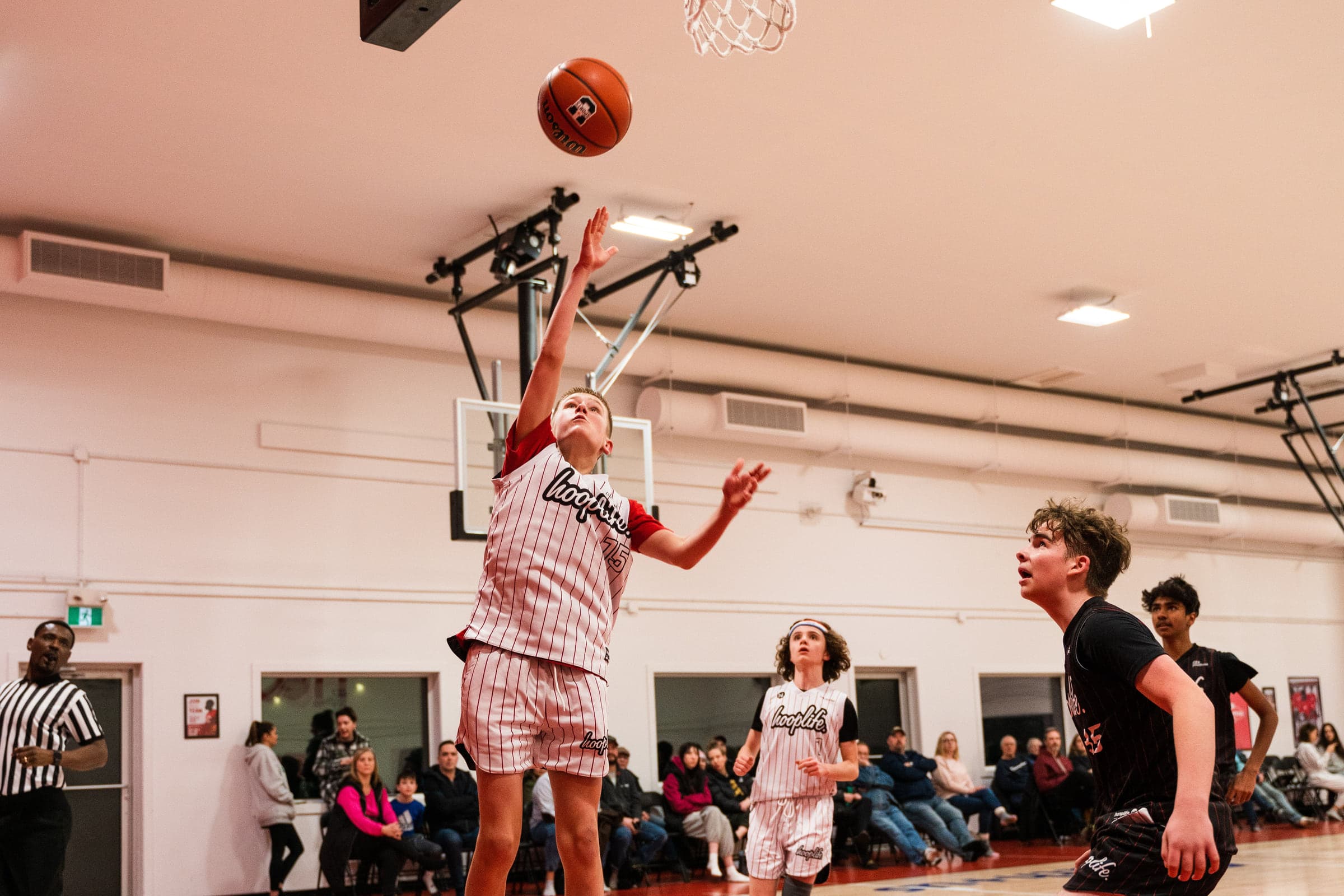
All four arrive for free the moment there is a real game. That is why every one of our weekly sessions finishes with live play rather than ending on a drill, and why 3x3 sessions run almost entirely as live basketball.
A league season takes it further again: officiated games, a scoreboard, referees, parents in the gym, and a result that is remembered next week. Ten weeks of that changes how a player handles a tight moment far more than any drill can.
The parent's part
A child who is afraid of making a mistake in front of you will play carefully, and careful is the opposite of what pressure training builds. The tone on the drive home decides how uncomfortable a player is willing to be next week.
Ask what was hard. Not what went wrong. More on that here: how basketball builds confidence in kids.
Manufacturing discomfort on purpose
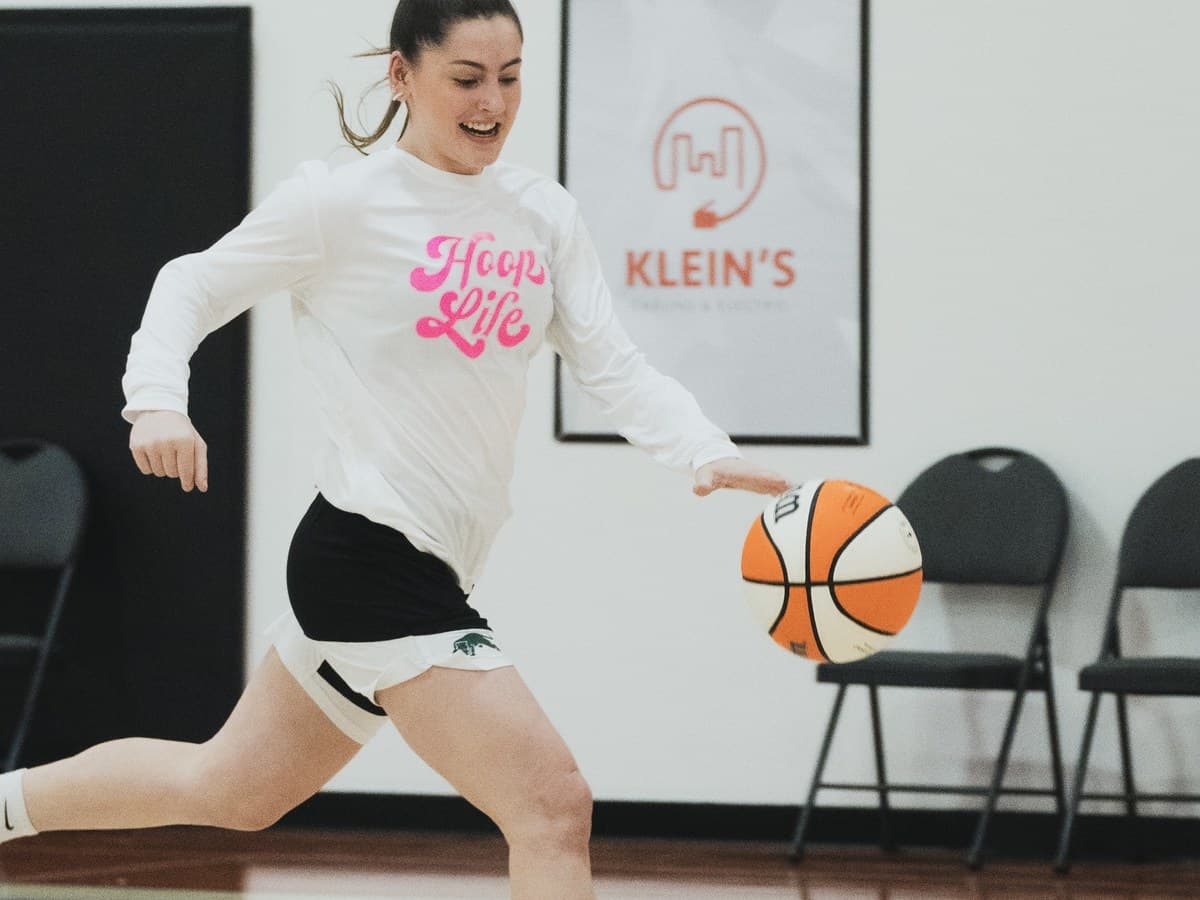
The gym is the safest place a kid will ever practise being uncomfortable, and good training builds the discomfort in deliberately. The weak hand, every session. Guarding somebody quicker. Shooting the last shot of a drill with everyone watching. Playing up an age group at open gym for one run.
Each of those is a small, recoverable failure, and recoverable failure is the entire mechanism. A kid who fails safely two hundred times in a gym stops treating failure as an emergency, and that transfer is visible everywhere: the school presentation, the tryout, the exam. This is why our league days include a confidence and leadership block rather than leaving character to chance, and why camp weeks end every day with competition in front of a crowd.
The line parents can steal
When your kid says a session was hard, the answer that builds this muscle is one sentence: "good, that is the feeling of getting better." Not sympathy, not a fix, just a re-label. Kids who hear discomfort described as progress for a few years start seeking it, and those are the teenagers who volunteer for the hard thing when it matters.
Frequently asked questions
How do young players learn to handle pressure?
By practising in conditions that resemble it: tired, timed, watched and with something on the line. Comfortable practice does not transfer to uncomfortable games.
Why has my talented child stopped improving?
Most often because practice stopped getting harder. Same drills, same speed, same shots. Raising the difficulty usually restarts progress within weeks.
Does playing games actually help more than drills?
For decision-making and composure, yes. Drills build skills; games are where skills get proven. Most players need both every week.
Want the details for your kid?
Leave your info and a real person from HoopLife will send the details and answer your questions. Spots are limited and they do go.