The Secret to Becoming a Clutch Basketball Player
Nobody rises to the occasion. They fall to the level of what they have rehearsed. Here is how to rehearse the last shot.

- Clutch is preparation, not courage. The calm comes from having been there before.
- Define what you are actually chasing, in a sentence, with a date.
- Know your real strengths and weaknesses. Ask a coach if you are not sure.
- Rehearse the moment: tired, timed, with something riding on it.
Every kid wants the last shot. Very few have practised taking it.
The players who look calm in the final minute are not braver than everyone else. They have simply been in that situation, in some form, hundreds of times, so their body already knows what to do while their nerves are busy.
Step 1: create the picture
Start with what you are actually chasing. Making the school team. Starting on it. Playing in a division above the one you are in now. Something specific enough that you would know whether you got there.
A vague ambition produces vague practice. A specific one tells you what this month has to look like, and makes it obvious when you are avoiding the work.
Step 2: know your game honestly
Clutch players know exactly what they can do under pressure, and just as importantly what they cannot. That is why they take good shots at the end of games instead of hard ones.
Most young players cannot list their own weaknesses accurately. Ask a coach, or someone you trust to be honest rather than kind, and write down the two things they say. A coach's read is what the $10 Get Started package is built around: a 60-minute session, a quick meet and greet with the HoopLife Director coaching it, and two digital books, and an honest assessment of where a player is.
Step 3: rehearse the moment
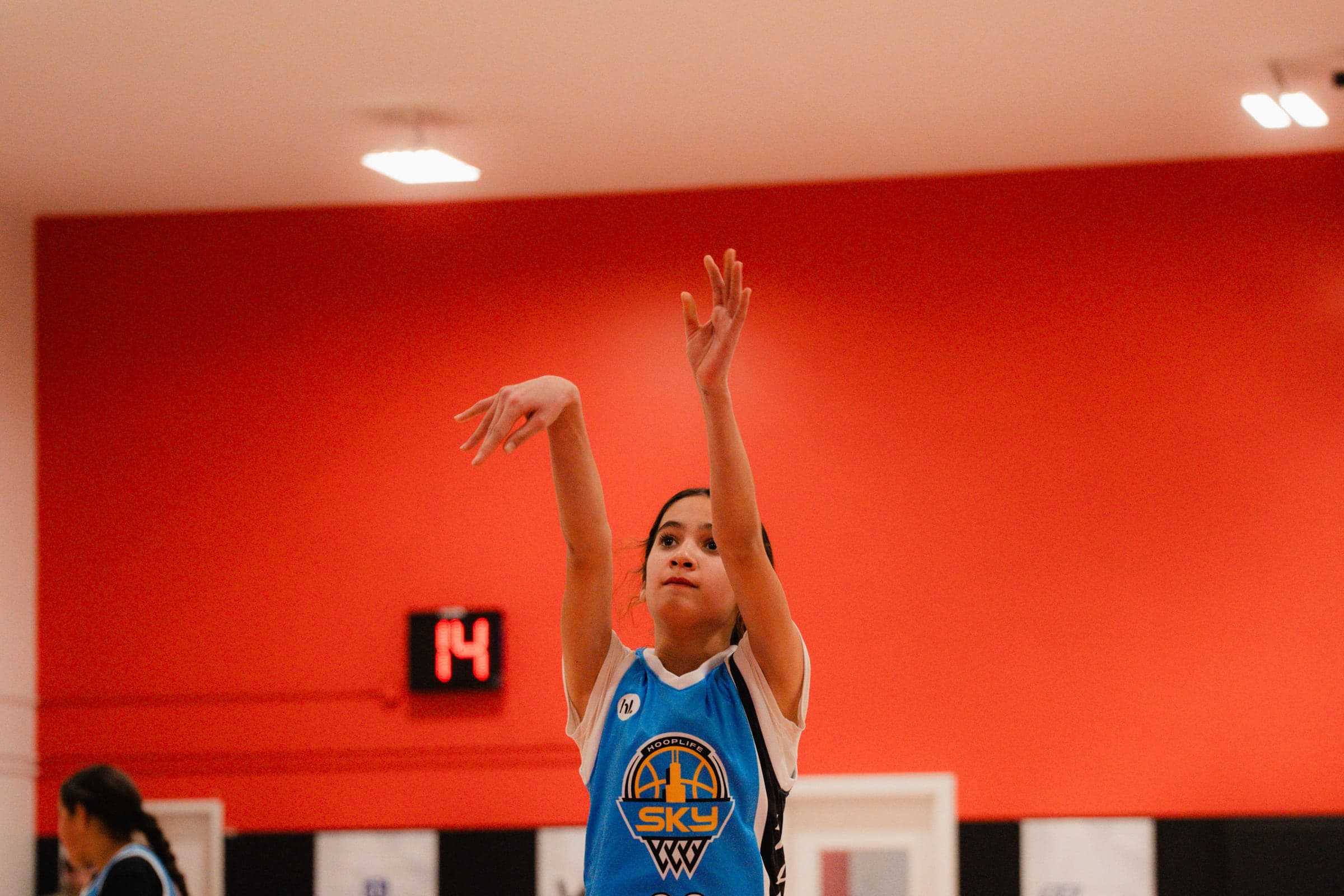
This is the step almost everyone skips. Do not practise free throws fresh — practise them after sprints, because that is when they happen in a game. Do not shoot until you feel good; shoot five in a row with a consequence attached.
Add a clock. Add somebody watching. Add a score. Every element of pressure you can manufacture in practice is one less surprise in a game.
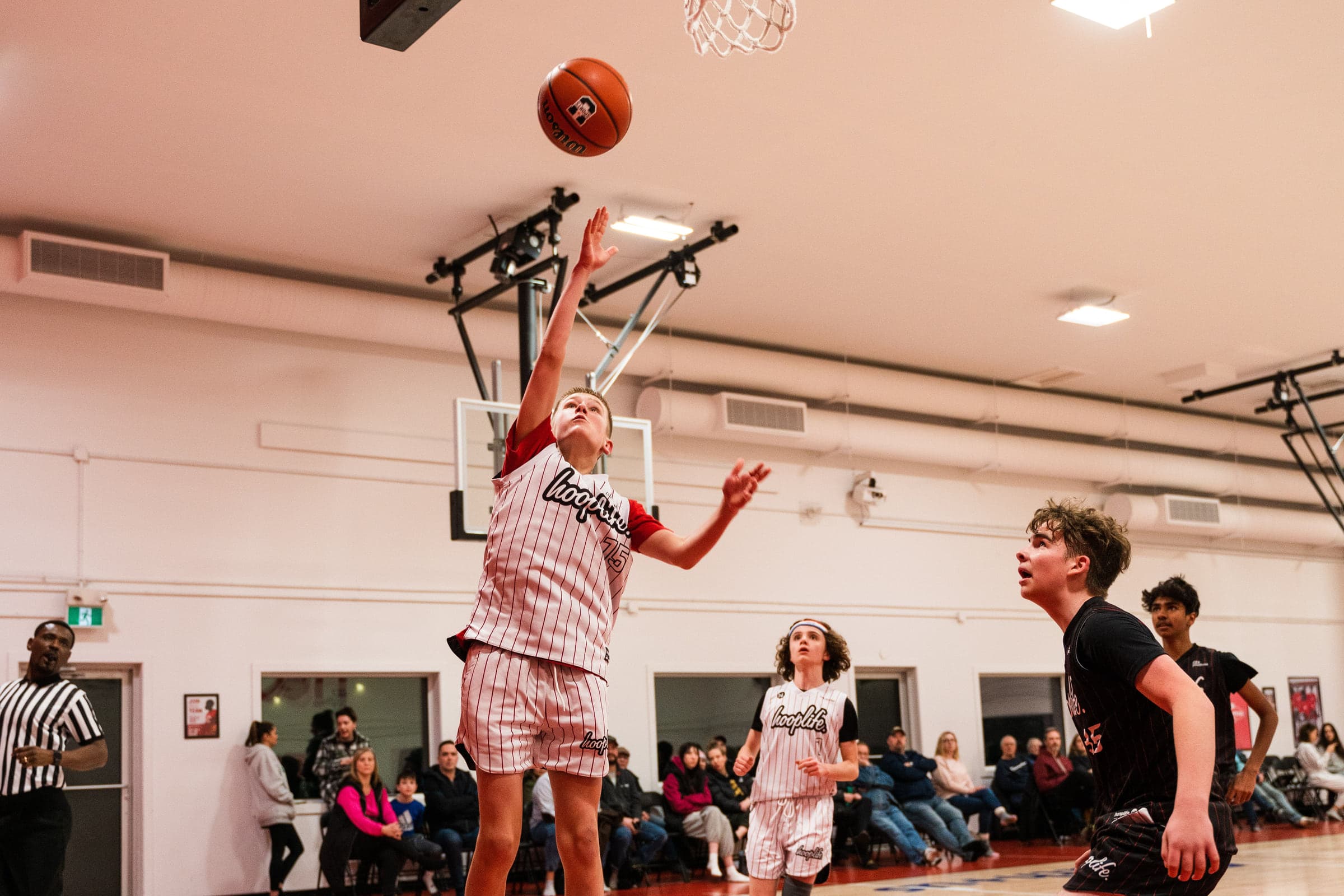
And then get into real games as often as possible, because nothing manufactured is quite the same. In Regina that means a league season — officiated 5v5 from grade 5 up, three games each week, referees, a scoreboard and a result that gets remembered — plus weekly 3x3 sessions where every possession has a consequence.
The mistake to avoid
Do not confuse clutch with hero ball. The clutch player is often the one who makes the simple pass to the open teammate, because they read the floor rather than needing the moment to be theirs.
That read is a Basketball IQ skill, and it is trainable. It is one of the three things built into every HoopLife League day alongside the training and the games.
What this looks like week to week
- Daily, 10 minutes: form work and handles at home. The drill list.
- Weekly, coached: a Skills Training session where a coach can see what you cannot.
- Weekly, live: a league day or a 3x3 session where the moment is real.
A pressure drill you can run tonight
Free throws with consequences, in the driveway. The player must make eight of ten; each miss past the second means the count restarts. Say the score out loud before every shot — "seven of nine, this one matters" — because naming the stakes is what simulates them.
Then escalate weekly: shoot it tired after sprints, shoot it with somebody watching, shoot it with a phone filming. Each layer adds the self-consciousness that game pressure is actually made of. A month of this and the free-throw line in a real game feels familiar rather than hostile, and familiarity is the whole secret.
What clutch is not
It is not a personality type, and telling a kid they are "not clutch" is writing fiction about a skill they simply have not trained yet. The players who want the last shot are the ones who have taken it a thousand times in practice, most of those before anyone was watching. Reps first, identity after — never the other way round. A steady pre-game routine is the other half of it, because most "pressure" failure is really just an unfamiliar routine.
Frequently asked questions
Can you actually train to be clutch?
Yes. Practising tired, timed, watched and with consequences attached is how the calm gets built. Players do not rise to the occasion, they fall back on what they rehearsed.
My child freezes in games. What helps?
More live reps in low-stakes settings, so games stop being rare events. Weekly 3x3 and a league season both do this quickly.
Should young players take the last shot?
The best shot should be taken, whoever it belongs to. Learning to read that is a Basketball IQ skill, and it is part of every HoopLife League day.
Want the details for your kid?
Leave your info and a real person from HoopLife will send the details and answer your questions. Spots are limited and they do go.