A Simple Pre-Game Routine for Young Players
What to eat, when to arrive, how to warm up, and what to say in the car. The boring stuff that decides how the first quarter goes.

- Eat a real meal two to three hours before, and something small one hour before.
- Arrive early enough to be bored. Rushing is the most common cause of a bad first quarter.
- Ten minutes of warm-up: move, then shoot close, then shoot from where you play.
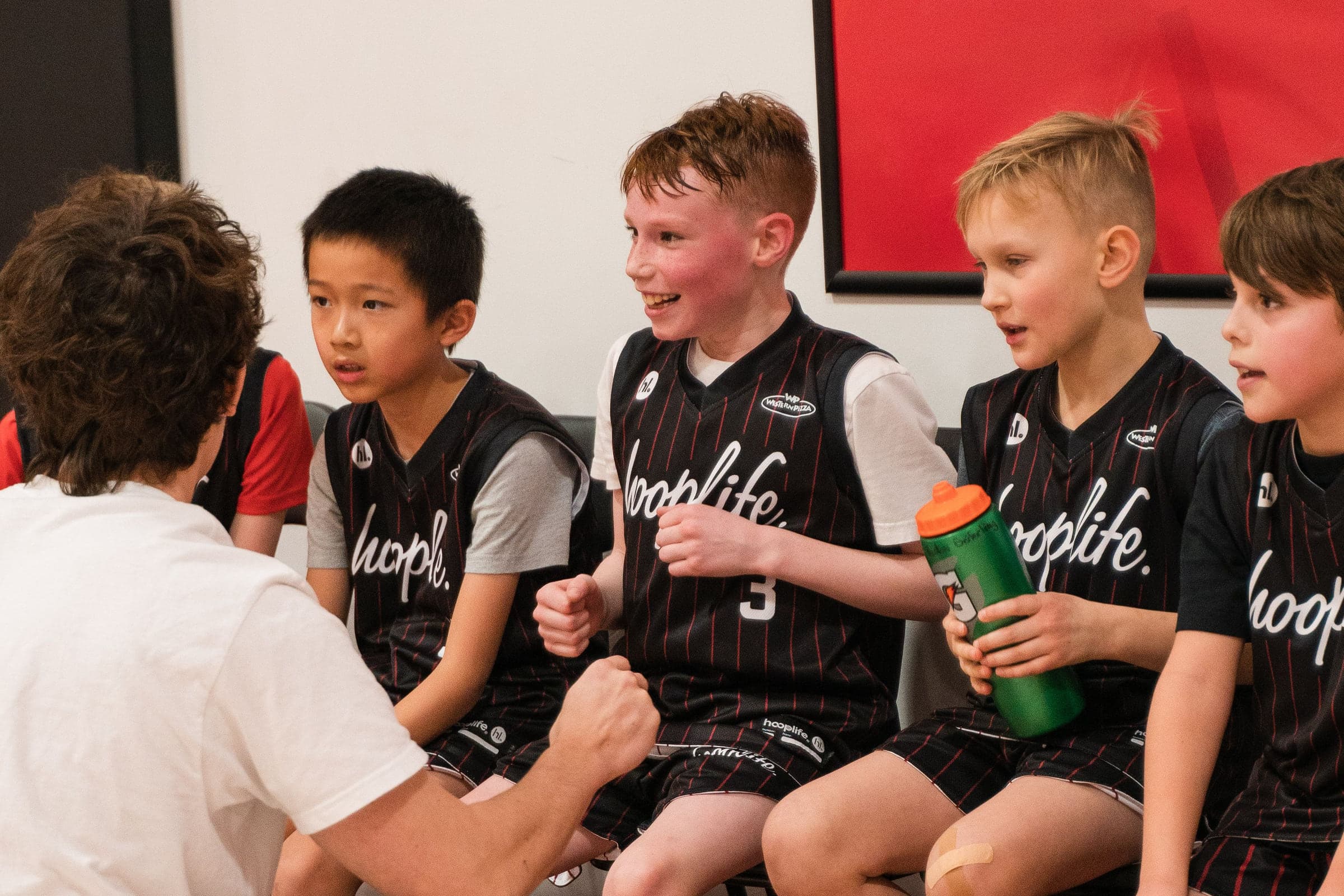
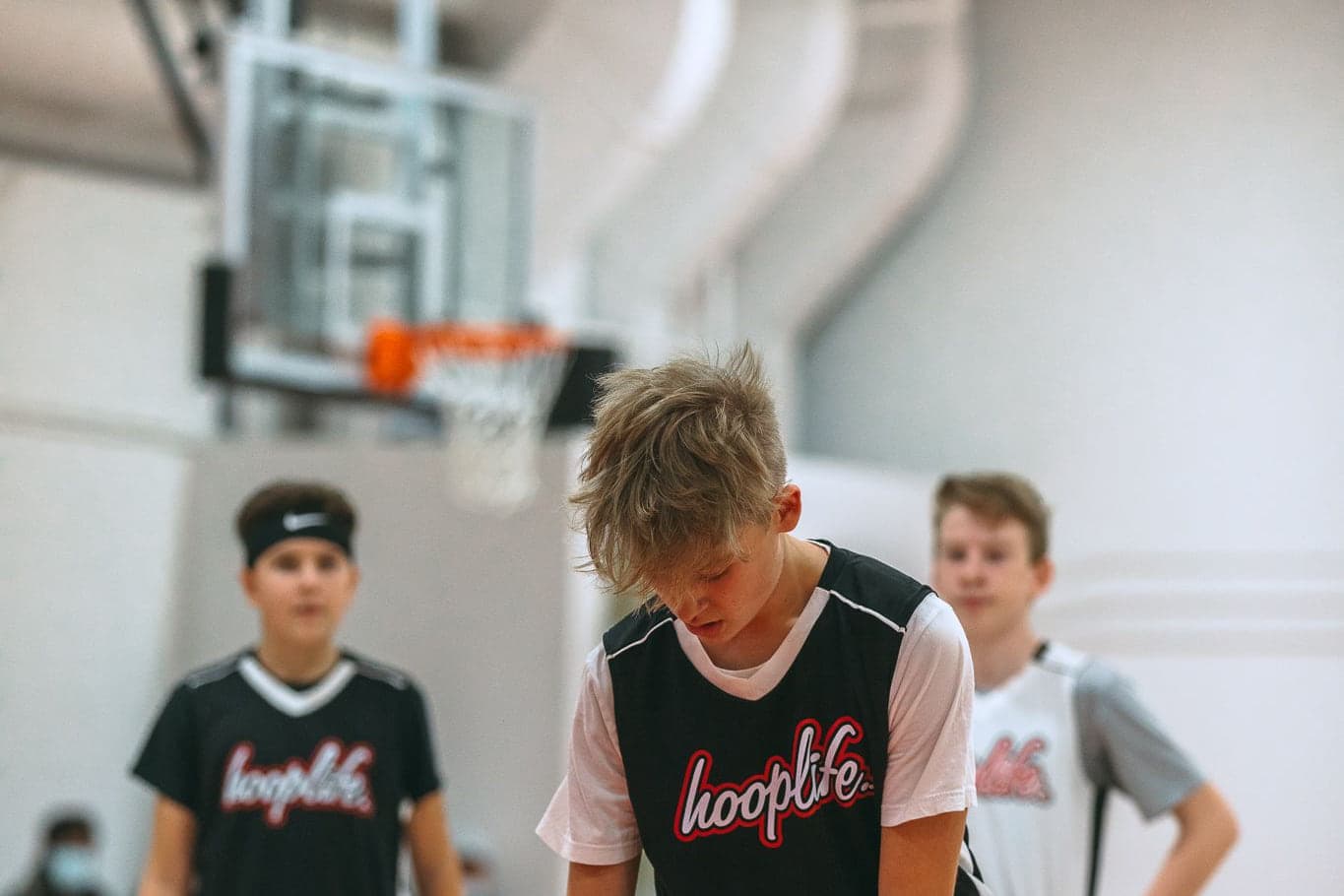
- Nerves are normal and useful. Give them a job rather than trying to talk them away.
Young players almost never lose a first quarter because of skill. They lose it because they arrived seven minutes before tip-off, ate nothing since lunch, and took their first shot of the day in a live game.
All of that is fixable, and none of it requires knowing anything about basketball.
Food and water
- Two to three hours before: a normal meal. Carbohydrate-based, not heavy, nothing new on game day.
- One hour before: something small — fruit, toast, a granola bar.
- Water all day, not a bottle chugged in the car. A labelled bottle in the bag matters more than any sports drink.
- Nothing experimental. Game day is a bad day to try a new snack.
The bag, packed the night before
Indoor non-marking court shoes, kit, a labelled water bottle, a ball if they have one, and a snack for after. Packed the night before, by the player, not by you. Two minutes of ownership at nine at night removes a lot of panic at nine in the morning.
Arrive early enough to be bored
Ten to fifteen minutes before they are asked to be there. Enough time to change shoes, look at the gym, find their coach, and let their heart rate settle before anything is asked of them.
A child who runs in late spends the first quarter catching up on adrenaline they cannot use.
A ten-minute warm-up that actually helps
- Move for three minutes. Jog, slides, high knees, arm swings. Warm before anything else.
- Ball handling for two minutes. Pound dribbles, crossovers, both hands. Wakes the hands up.
- Layups, both hands, two minutes. Close, easy, both sides.
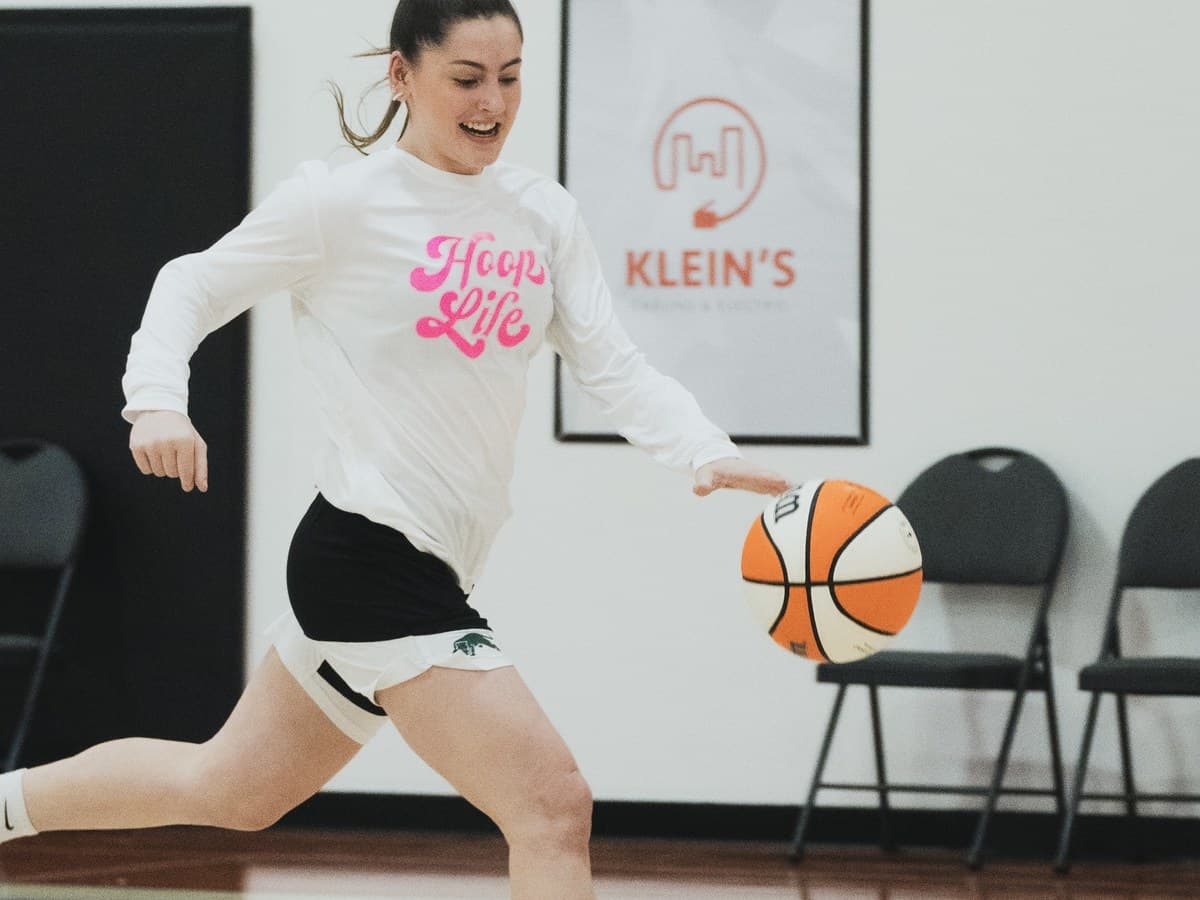
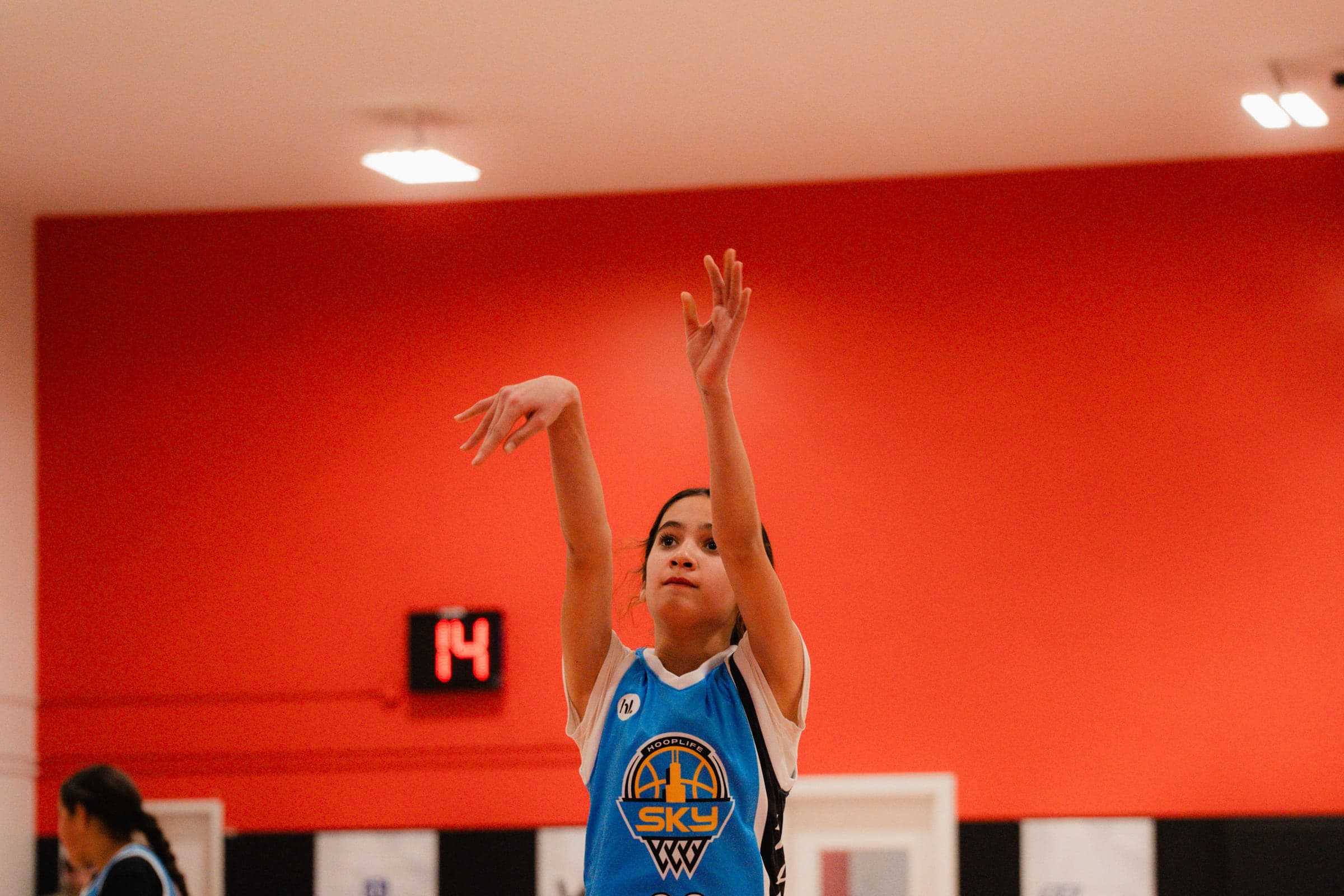
- Shots from close, then out, three minutes. Start under the hoop and move back only as the form holds. Finish with a few from where they actually shoot in a game.
The order matters: move, then touch, then close shots, then game shots. Starting with three-pointers is how a warm-up becomes a confidence problem.
Nerves
Nerves mean it matters, which is a good sign, and trying to talk a child out of them mostly teaches them that nerves are a problem. Give them a job instead:
- "Your job in the first two minutes is to sprint back on defence." Something controllable, nothing to do with scoring.
- Slow breathing on the bench: in for four, out for six. It genuinely works.
- Remind them of the process, not the result: take good shots, talk on defence, next play.
The drive there and the drive home
There: music, normal conversation, no strategy. A tactics briefing in the car raises the stakes for no benefit.
Home: "what was fun?" and "what was hard?". Resist the performance review — this is the most important ten minutes of the week and the easiest to get wrong. More on why: how basketball builds confidence in kids.
Where routines get built
A routine is only a routine if it has been done a few times. Ten weeks of league days on the same day, in the same gym, with the same coach, is where a young player builds one — and every league day also includes a Confidence, Leadership & Basketball IQ workshop, which is where the mental side is actually taught rather than assumed.
Frequently asked questions
What should a kid eat before a basketball game?
A normal, carbohydrate-based meal two to three hours before, and something small like fruit or toast about an hour before. Nothing new on game day.
How early should we get to the gym?
Ten to fifteen minutes before they are asked to be there, so they can change, look around and settle before anything starts.
What is a good warm-up for a young player?
Three minutes of movement, two of ball handling, two of layups both hands, then close shots working outward. About ten minutes.
How do I help with pre-game nerves?
Give them one controllable job for the first two minutes, use slow breathing, and talk about process rather than results.
Want the details for your kid?
Leave your info and a real person from HoopLife will send the details and answer your questions. Spots are limited and they do go.