5 Traits Every Great Point Guard Has
Handles are a tool, not a personality. The point guards coaches actually want do five things, and only one of them shows up on a highlight reel.

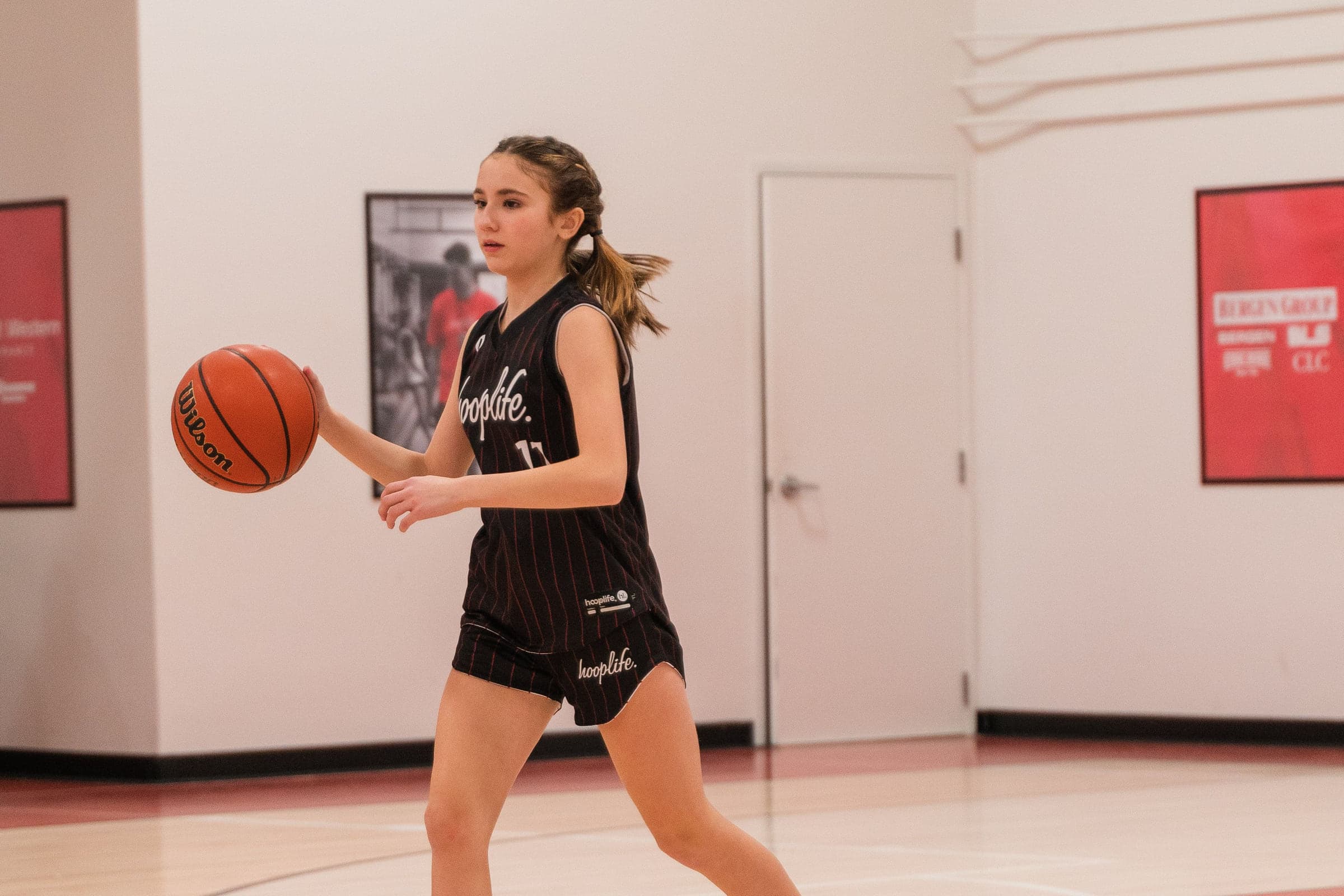
- Great point guards read the game: who is hot, what the defence is giving, what the pace should be.
- Efficiency beats flash. Beating a defender in two moves is better than beating them in six.
- They can score when the team needs it, without needing to.
- They lead, and leadership is a trainable skill, not a personality type.
In an era of highlight clips it is easy for a young player to think being a point guard means having the flashiest handle in the gym. The coaches picking teams are looking for something else entirely.
1. They read the game
A point guard is an extension of the coach on the floor. They know what the defence is doing, which teammate is shooting well, where the mismatch is, and what the score and the clock demand.
Their job is not to find their own shot. It is to find a good shot, whoever takes it.
2. They are handlers, not dribblers
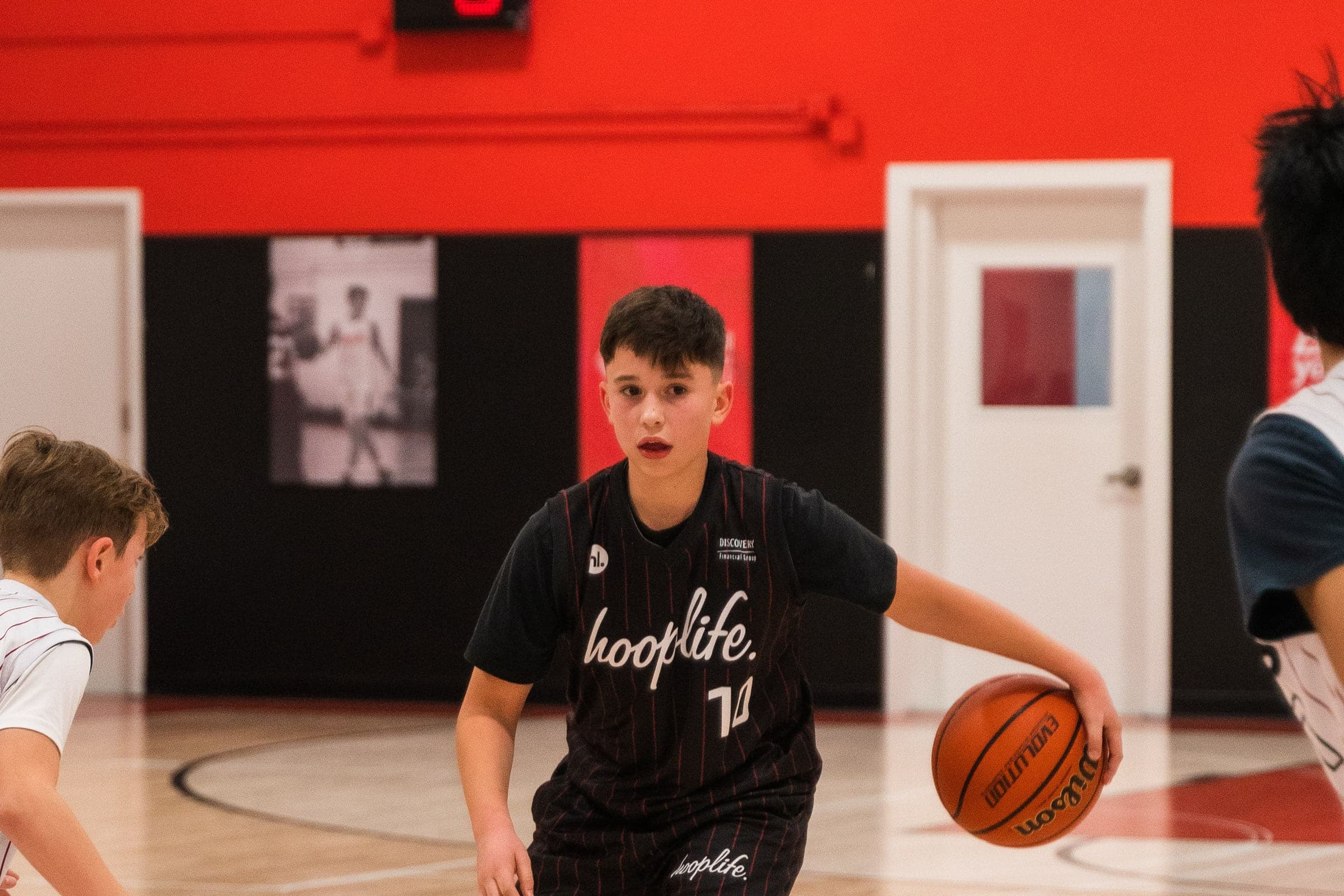
Everyone can learn a crossover. Great point guards know which move to use and when to stop using them. Getting past a defender in two moves is better than getting past them in six, because the other four gave the defence time to recover.
Efficiency is what separates the flashy from the genuinely dangerous. If you want the fundamentals underneath it: five ways to improve your ball handling.
3. They can score when it is needed
A point guard who cannot score is easy to defend, because the defence simply ignores them and doubles somebody else. The best ones are a genuine threat and choose not to be the focus.
That balance is a decision made possession by possession, and it is learned by playing a lot of real games, not by practising alone.
4. They control pace
Fast when the break is on, slow when the team needs to breathe. A point guard who lets the other team dictate tempo has already lost most of the game's important arguments.
5. They lead
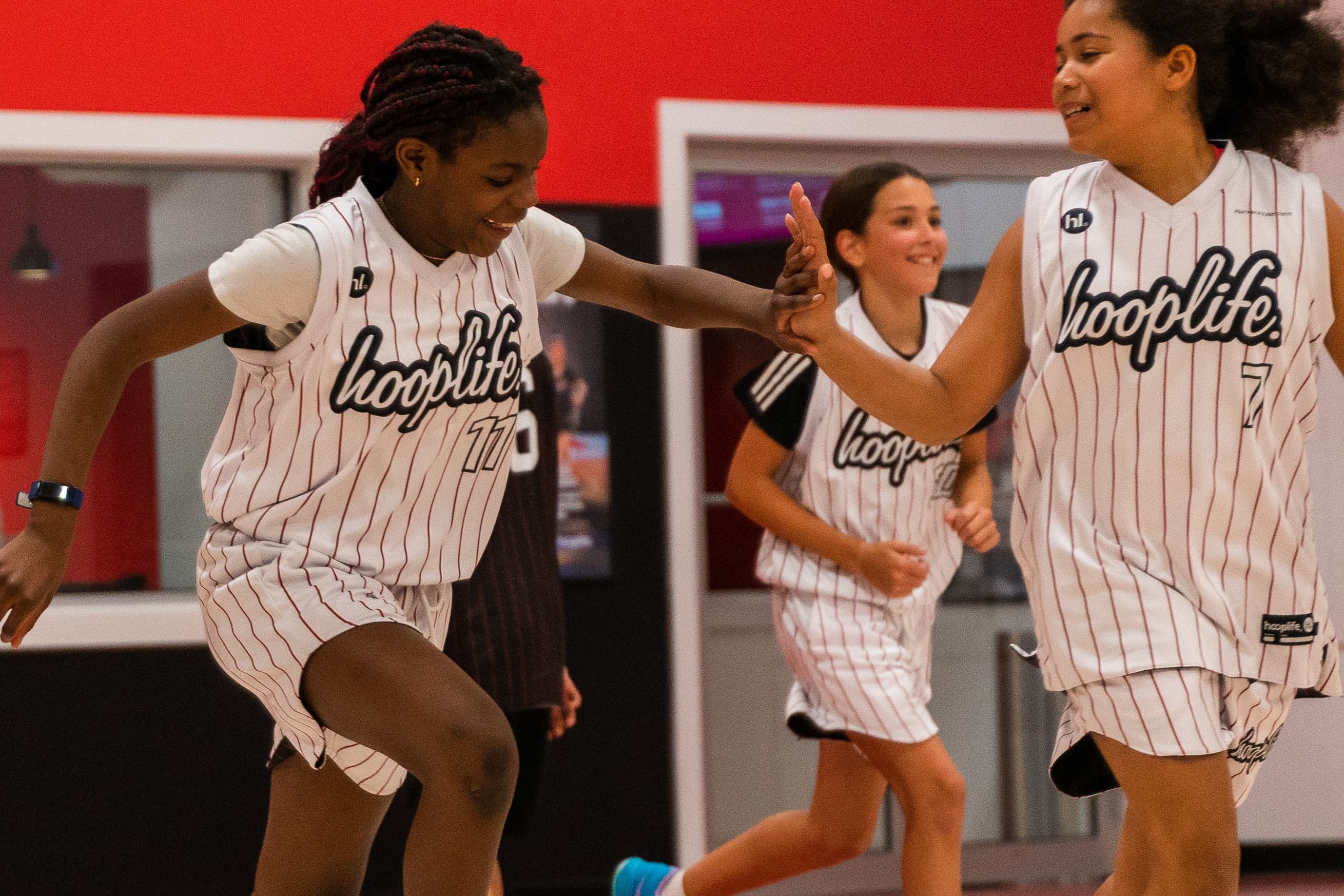
They talk on defence, they pick teammates up after a mistake, and they are the same person whether the team is up fifteen or down fifteen. Leadership is trainable, which is exactly why the HoopLife League builds a Confidence, Leadership & Basketball IQ workshop into every league day rather than hoping it shows up on its own.
How a young point guard actually develops
Reading a game is a repetition problem. You cannot learn it from drills, because drills have no defence making decisions.
- Game reps: a league season — grades 5 and up play officiated full-court 5v5, three games each week so every player gets two full games.
- Decision reps: 3x3 sessions, where every possession is a read and the ball is in your hands constantly.
- Skill reps: a weekly Skills Training session to build the handle and the shot that let the decisions be executed.
What a point guard actually does, possession by possession
Since most young players are told to "run the team" without anyone saying what that means: bring the ball up under pressure without panic. See the floor before the defence sets and call what comes next. Get the team into the play, then make the read the defence gives you, not the one you wanted. Guard the other team's ball handler at the other end. And between all of it, talk, because a quiet point guard is a contradiction.
Notice scoring is not on that list. A point guard who scores is a bonus; a point guard who decides well is the job.
How to train the decision part at home
Decisions need defenders, but the tools underneath them do not. The handle that survives pressure is built alone: tight handles work daily, eyes up always, because a point guard who looks at the ball cannot see the floor. Passing off the dribble against a wall, both hands, hitting a target. And watching one quarter of any high-level game while only watching the point guard, which teaches more floor-reading than a month of drills.
Then the decisions themselves get trained where decisions exist: 3x3, where every possession is a read, and league games, where the leadership half of the position is coached deliberately in the weekly workshop.
Frequently asked questions
What makes a good point guard in youth basketball?
Reading the floor, controlling pace, making teammates better, and being efficient with the ball. Scoring ability matters, but decision-making is what coaches pick on.
How does a young player learn to read the game?
Real games, in volume. Drills cannot teach it because there is no defence making live decisions. League days and 3x3 both build it quickly.
Is leadership something that can be taught?
Yes. Every HoopLife League day includes a Confidence, Leadership and Basketball IQ workshop, because leaving it to chance produces very few leaders.
Want the details for your kid?
Leave your info and a real person from HoopLife will send the details and answer your questions. Spots are limited and they do go.